
Customer and account data
Retired media may retain identity documents, account information, transaction records, advice files, claims data, credentials or payment information.
For banks, mutuals, insurers, superannuation funds, lenders, fintechs, payment providers and financial advice businesses that need a controlled way to retire ICT assets. We structure collection, destruction and records so IT, risk, privacy and procurement teams can account for what left their environment and what was destroyed.
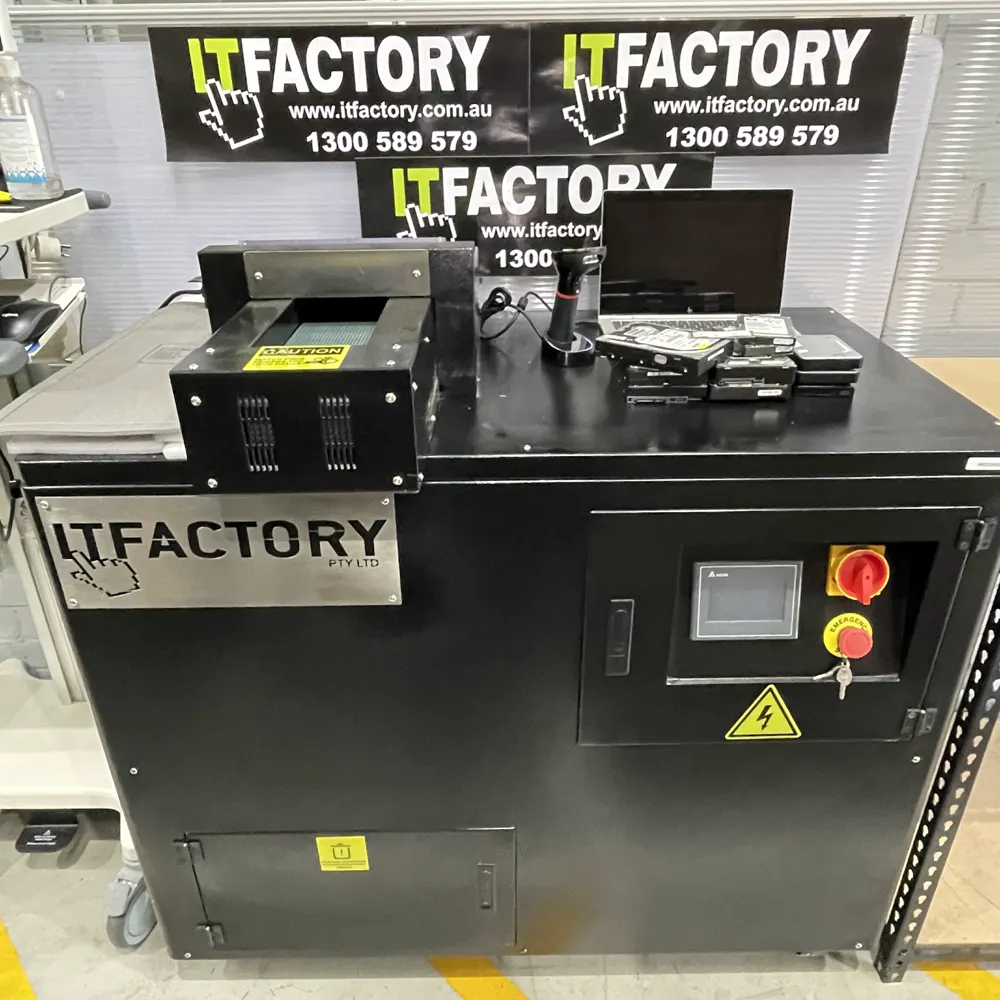
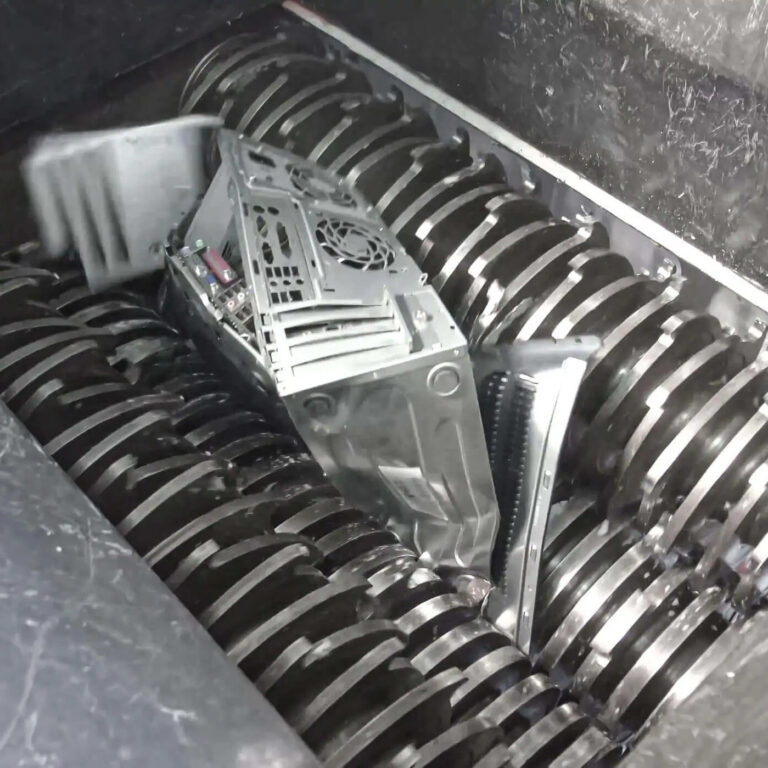
See how retired equipment is collected, handled and physically destroyed inside our mobile shredding unit.
The video loads only when you choose to play it.For eligible Sydney metro financial services projects, the price includes the mobile destruction unit, on-site HDD and device shredding, serial number recording where agreed, Certificate of Destruction and final project records.
Eligibility depends on location, asset type, site access and project requirements. Pricing is confirmed before booking.
A branch or head-office refresh can be declared complete while laptops remain in locked cupboards, loose drives sit at the service desk, network appliances stay in a comms room, or a collection pallet has not been matched back to the asset register. The risk is the gap between the equipment approved for release and the evidence available after the job.

Financial services organisations often have overlapping privacy, prudential, payment-data, AML/CTF, corporate and legal record-keeping obligations. Equipment should be released only after the appropriate owner confirms that retention requirements and legal holds have been met.
Retired media may retain identity documents, account information, transaction records, advice files, claims data, credentials or payment information.
The asset owner should confirm the applicable retention schedule, legal hold and disposal approval before equipment enters the destruction process.
Clear collection, handling and destruction records help internal teams oversee a service provider handling information assets.
The right model depends on the sensitivity of the media, site-security requirements, asset volume, locations and the level of witnessing or handling records your organisation requires.
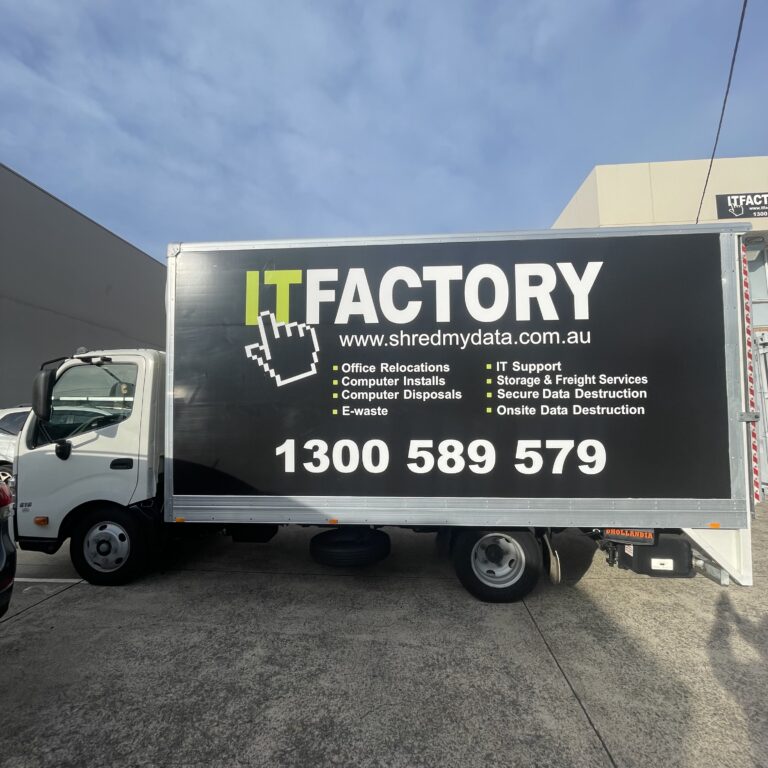
A strong fit when approved media must be physically destroyed at your branch, office or facility before it leaves your control.
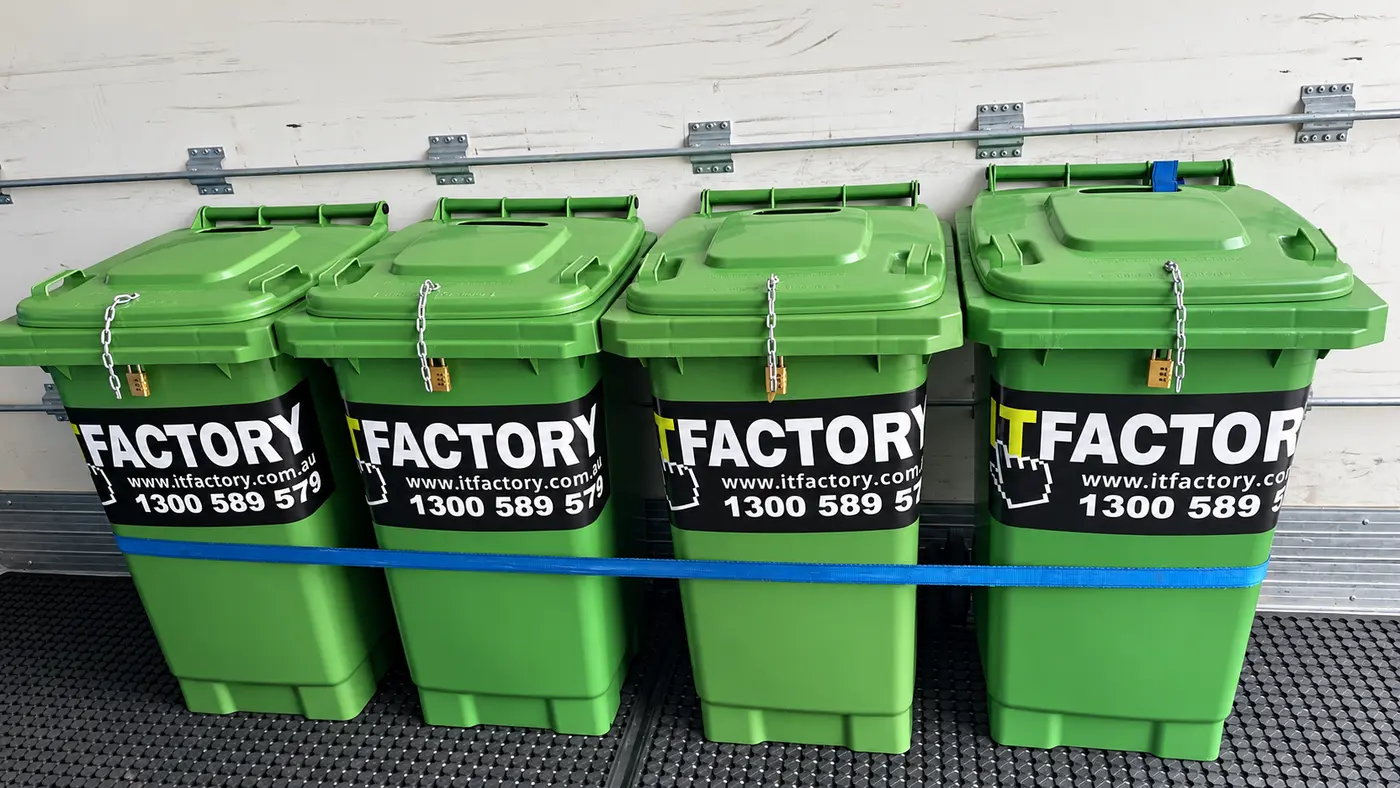
A practical option for branch networks, office clear-outs and multi-site collections where secure removal and documented processing are the priorities.
Different parts of the industry hold different combinations of customer information, payment data and regulated records. The destruction process should still make every released asset easy to account for.
Retiring branch, head-office and infrastructure equipment without losing accountability over customer data.
Controlling media that may hold policyholder, claims, health, identity or payment information.
Closing out ICT refreshes while keeping member-data handling and service-provider evidence clear.
Destroying devices that may contain client files, advice records, identification material and correspondence.
Managing retired devices containing applications, credit information, identity records and supporting documents.
Handling fast-moving technology estates where account data, credentials and payment information may remain on media.
Coordinating collections during relocations, closures, mergers, acquisitions and workplace refreshes.
Working from the same approved asset list, handling record, exception list and completion evidence.
A certificate of destruction can be supported by device serial numbers, custody records, a comparison against the original device list and any recorded exceptions.
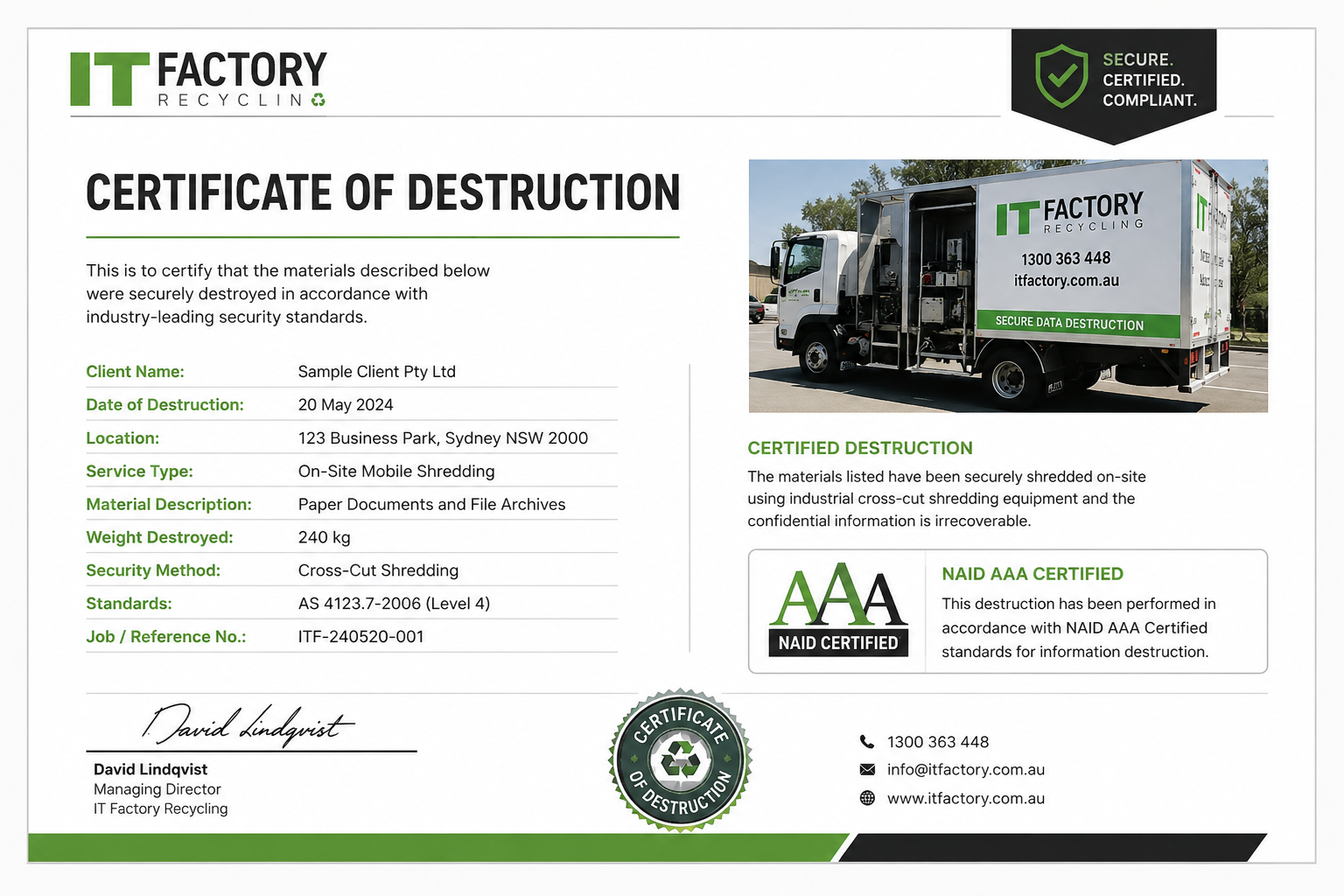
No single disposal method applies to every financial organisation or every asset. The approved method, scope and records should reflect the information held, your retention obligations and your organisation's risk framework.
Supports controlled disposal after personal information is no longer required and no retention exception applies.
OAIC guidance →Relevant to information-security controls and third-party information assets for APRA-regulated entities.
APRA standard →Relevant to operational risk and service-provider oversight for organisations within APRA's scope.
APRA standard →Relevant where payment account data is stored, processed or transmitted.
PCI standards →A useful Australian reference for media sanitisation, destruction and disposal controls.
ACSC guidance →Disposal approval should account for applicable AML/CTF, corporate, advice, tax, litigation and internal retention requirements.
AUSTRAC guidance →These references do not make a destruction service a compliance certification. Your organisation remains responsible for deciding what must be retained, what can be released and what level of assurance is required.
Tell us what equipment you have, where it is located and what outcome you need. We will recommend the most suitable destruction or asset-recovery service.